The history of British aviation is filled with stories of trailblazing individuals who pushed the boundaries of what was possible. Among these pioneers, women played a pivotal yet often overlooked role, particularly during World War II. One of the most significant contributions came from the Air Transport Auxiliary (ATA), a volunteer organization that recruited women to ferry aircraft across the UK. The women who served in the ATA not only broke gender barriers in aviation but also demonstrated exceptional skill and courage during a time of national crisis.
In the early 1940s, as the Second World War escalated, the British government realized the urgent need to bolster its air forces. However, with many male pilots deployed to the front lines, there was a shortage of qualified pilots to ferry aircraft between airfields. This gap in the workforce prompted the formation of the ATA in 1939, an organization that would employ both men and women to transport aircraft for the Royal Air Force (RAF) and other military branches.
At the time, aviation was predominantly a male-dominated industry, and the idea of women flying military aircraft was revolutionary. Despite the challenges, a group of determined women answered the call to serve their country in a completely new capacity. These women became the first female pilots in British history to fly military aircraft, breaking not only social but also professional barriers.
Among the most notable women who served in the ATA was Pauline Gower, who became the first woman to be appointed as the head of the ATA’s Women’s Section. Gower, a skilled pilot, was instrumental in organizing the recruitment and training of female pilots. Under her leadership, the ATA began to recruit women from diverse backgrounds, including those who had no prior experience in aviation. Gower’s leadership was invaluable, as she ensured that women were given equal opportunities to serve as their male counterparts.
The women who joined the ATA were required to meet the same stringent standards as their male colleagues, often flying the same aircraft under dangerous conditions. These women piloted a wide range of aircraft, including fighters, bombers, and transport planes, delivering them to RAF bases and airfields across the UK. Their work was critical to the war effort, as it freed up male pilots for combat roles and ensured the constant flow of aircraft needed for the war.
Despite the vital role they played, the women of the ATA faced significant obstacles. They had to prove themselves capable in an industry that was not only male-dominated but also rife with skepticism about the capabilities of women in aviation. Yet, their resilience and skill silenced critics. They often flew in hazardous weather conditions, at night, and across unfamiliar terrain. The dangers were real: many women in the ATA lost their lives in accidents while flying these aircraft.
The contributions of these women were not limited to the battlefield. Their service in the ATA became a symbol of the changing role of women in society, challenging traditional gender roles and proving that women could perform tasks deemed beyond their reach. These women were breaking barriers not only in aviation but in society at large.
The ATA was officially disbanded after the war in 1945, but the legacy of these pioneering women lives on. Their service helped to accelerate the acceptance of women in aviation and set the stage for future generations of female pilots. Today, women make up a significant portion of the aviation industry, serving as commercial pilots, engineers, and leaders in various sectors. The pioneering women of the ATA paved the way for this progress.
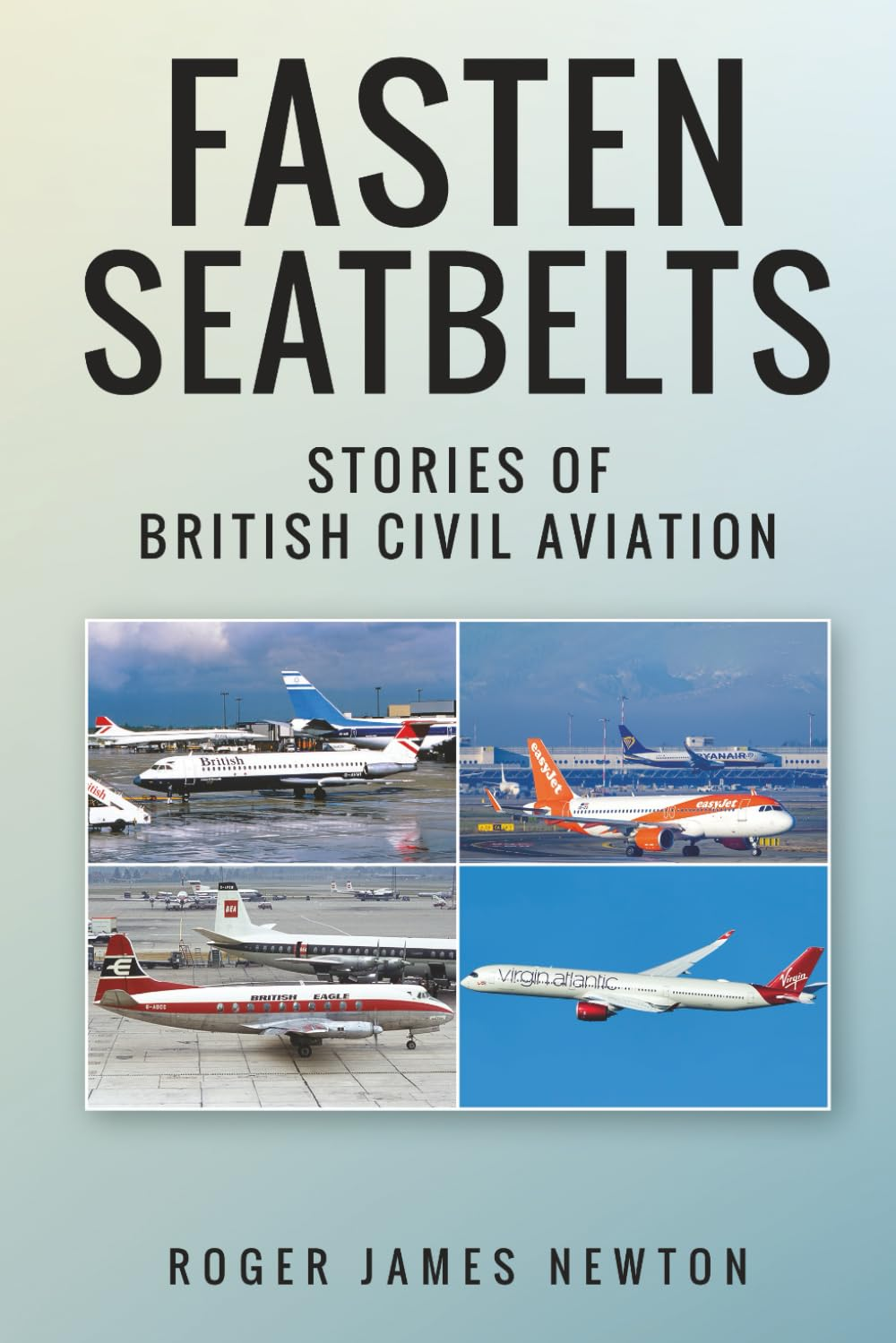
Roger James Newton’s Fasten Seatbelts – Stories of British Civil Aviation records the remarkable contributions made by women in the ATA andtheir courage, determination, and skill. The book,offers readers a glimpse into the lives of these unsung heroes who not only served their country but also broke down societal barriers.
For those interested in the vital role of women in the war effort, Newton’s book brings to light the incredible achievements of these women, offering a tribute to their bravery and legacy in the history of aviation. Through their stories, we are reminded that the skies were never just for men they were for anyone willing to rise above the clouds and defy expectations.
The book is now available on Amazon: https://www.amazon.com/dp/1969644400