The evolution of air travel is a remarkable story of innovation, determination, and technological breakthroughs. From the earliest days of flight to the sophisticated, high-speed aircraft of today, the journey of aviation has reshaped the way we connect, explore, and experience the world. British aviation has been at the heart of this transformation, with several key milestones that highlight both triumphs and challenges.
In 1919, aviation history was forever changed with the first official international passenger flight. A converted First World War bomber, the Airco DH.4A, made the journey from London to Paris, carrying a single passenger and freight. Though a humble beginning, this flight set the stage for the future of civil aviation. Soon after, British companies like Imperial Airways began operating commercial services that connected not only Britain to Europe but also extended across the British Empire, laying the groundwork for global air travel.
The 1950s marked the dawn of the jet age. Aircraft such as the de Havilland Comet, the world’s first commercial jet airliner, introduced new levels of speed and efficiency, revolutionizing international travel. Despite early setbacks, including tragic crashes due to design flaws, the Comet’s legacy paved the way for future innovations in aviation. The 1960s and 1970s saw the rise of wide-bodied jets like the Boeing 747, known as the “Queen of the Skies,” which made air travel accessible to a larger number of passengers and facilitated the boom in international tourism and business travel.
One of the most significant achievements in air travel came in the 1970s with the introduction of Concorde, a supersonic airliner that could travel at speeds over twice the speed of sound. While Concorde captured the imagination of the public with its luxury and speed, its high operating costs and limited passenger capacity made it economically unfeasible, leading to its retirement in the early 2000s. Yet, it remains a symbol of Britain’s daring vision for the future of flight.
By the 1980s and 1990s, the commercial aviation landscape began to shift. The rise of low-cost carriers, such as EasyJet and Ryanair, revolutionized air travel by making flying affordable for the masses. These budget airlines streamlined operations and introduced no-frills service, drastically lowering ticket prices and changing the way people thought about air travel.
Today, air travel is more accessible and efficient than ever before. The global fleet is comprised of advanced, fuel-efficient aircraft like the Boeing 787 Dreamliner and the Airbus A350, which offer passengers greater comfort and reduced environmental impact. While challenges remain—such as the ongoing quest for sustainability in aviation—the industry has made significant strides in reducing emissions and improving efficiency.
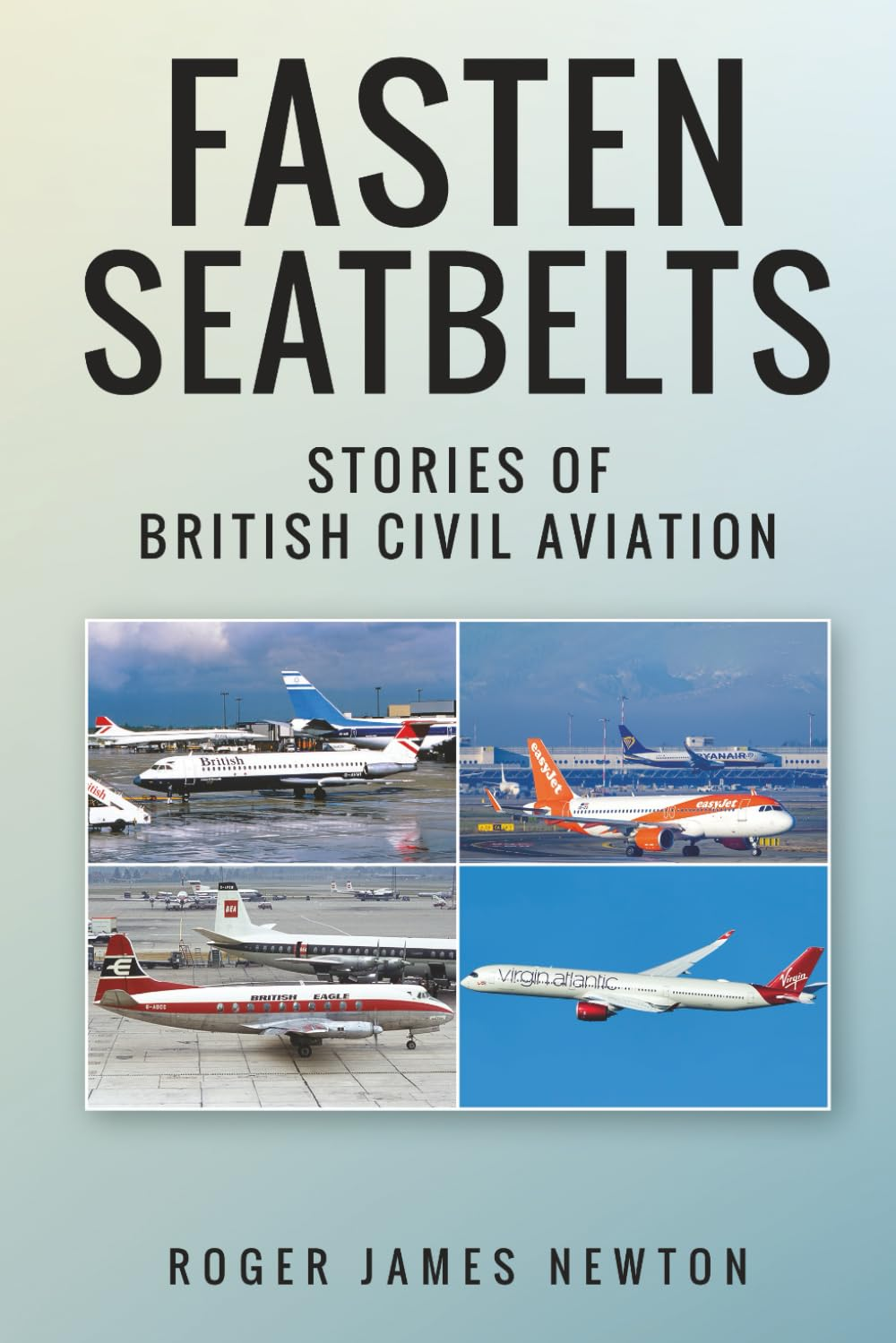
Roger James Newton’s book, Fasten Seatbelts – Stories of British Civil Aviation, provides a detailed and captivating journey through the milestones of air travel. From the humble beginnings of the first international flight to the cutting-edge technology of today, Fasten Seatbelts – Stories of British Civil Aviation highlights the innovators, engineers, and entrepreneurs who helped shape the skies we now take for granted.
For anyone interested in the evolution of aviation, Fasten Seatbelts – Stories of British Civil Aviation is an essential read. It offers not only a rich history of British aviation but also a deeper understanding of the technological advancements and visionary individuals who made air travel an integral part of our everyday lives.
The book is now available on Amazon: https://www.amazon.com/dp/1969644400