In a world racing toward the concept of electric planes, artificial intelligence, and climate-conscious travel, the history of aviation is a story from another time. Yet the lessons that shaped Britain’s aviation journey remain as important today as they were a century ago. The courage to innovate, the resilience to recover, and the determination to keep flying against all odds. These values built Britain’s aviation industry and continue to define the challenges of modern flight. Fasten Seatbelts – Stories of British Civil Aviation by Roger James Newton reminds us that understanding where we have been is the key to understanding where we are going.
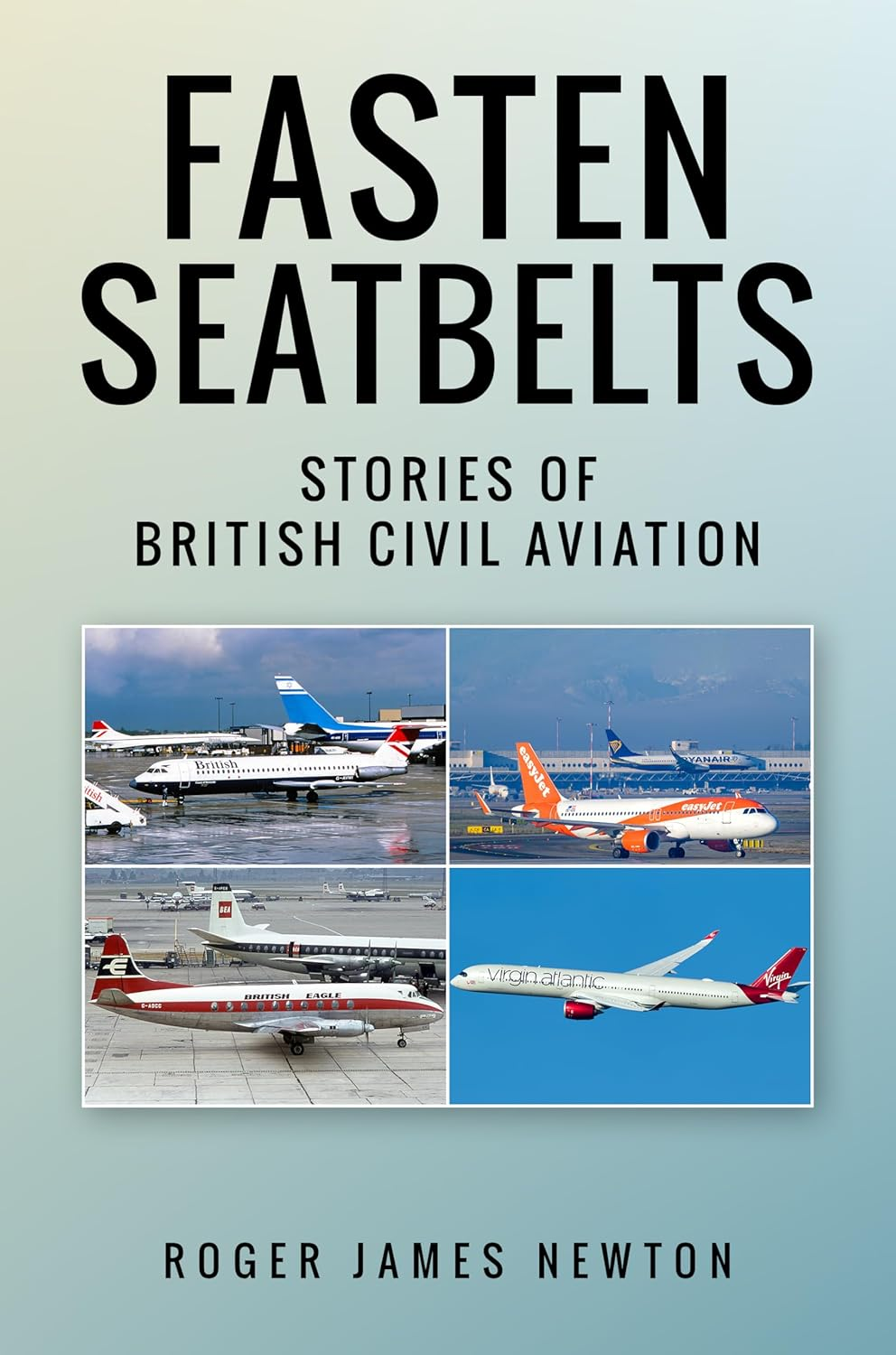
When British engineers and pilots began experimenting with passenger flights after the First World War, they were doing more than building machines. They were rebuilding a nation’s confidence and creating the ability to connect much more rapidly with its still large Empire. Companies like de Havilland and Vickers turned wartime experience into peaceful innovation, designing aircraft that connected cities and continents. Their success was not just technological but symbolic. It showed how imagination and persistence could turn a devastated post-war economy into a source of national pride. Today’s aviation leaders face a similar challenge: how to adapt and rebuild after global disruption, this time driven by economic uncertainty and environmental concerns.
The parallels between the post-war years and today’s aviation landscape are striking. . In the 1950s, Britain ushered in the jet age with the de Havilland Comet, the world’s first commercial jetliner. It was a bold step forward that brought both triumph and tragedy. Early failures taught vital lessons about safety and design that still guide engineers today. Similarly, today’s aviation pioneers are learning from setbacks as they seek to make civil aviation more sustainable. Non-fossil fuels, hybrid engines, and innovative new aircraft concepts are all being explored. History reminds us that progress often comes through patience and perseverance.
Roger James Newton captures this spirit of resilience throughout Fasten Seatbelts. His stories of engineers, pilots, and visionaries reveal how British aviation evolved through constant reinvention and innovation. The successors to the Rolls-Royce engines that powered early jets remain symbols of reliability and innovation. The Concorde, though no longer in service, remains a testament to ambition and the pursuit of excellence. These milestones demonstrate that while technology evolves, the values underlying progress remain timeless.
Britain’s aviation legacy also raises important questions about identity. The post-war era was a time when flight embodied national pride and a sense of purpose. Today, as the world faces global environmental and economic pressures, that same spirit of purpose is needed again. This time, to make aviation cleaner, fairer, and more sustainable.
For aviation enthusiasts and readers interested in how history shapes the present, Fasten Seatbelts – Stories of British Civil Aviation offers a thoughtful and inspiring perspective. It shows that Britain’s aviation story is not just a chapter from the past. It is an ongoing lesson in creativity, resilience, and the unbreakable human desire to rise above the clouds.
Read this book now on Amazon: https://www.amazon.com/dp/1969644400.