For most of the twentieth century, British aviation commanded global admiration. Aircraft built in Britain set standards for innovation, safety, and performance, while British airlines connected continents and helped define what modern air travel could be. This reputation was not accidental. It was the result of vision, skill, and a unique combination of engineering excellence and operational ambition.
Britain entered aviation early and with confidence. The country emerged from the First World War with experienced pilots, proven aircraft manufacturers, and a strong industrial base. Unlike many nations, Britain immediately recognised aviation not just as a military tool, but as a commercial and strategic asset. Early investment in civil flying created international routes, operational expertise, and public trust in air travel.
British engineers quickly earned respect for their ability to solve complex problems. Working without computers or advanced modelling, they relied on mathematics, experimentation, and deep practical understanding. Aircraft were designed to meet demanding conditions, from short European hops to long distance Empire routes that crossed deserts, oceans, and mountain ranges. Reliability was essential, and British aircraft developed a reputation for durability and sound engineering.
One of the most visible symbols of Britain’s aviation leadership was its global reach. Long before mass tourism, British aircraft were flying to Africa, India, Asia, and Australia. These routes required logistical planning, technical ingenuity, and organisational skill on a scale few nations could match. Flying boats, operating from water when runways were unavailable, demonstrated Britain’s ability to adapt technology to international geography.
The post Second World War period elevated Britain’s status even further. Wartime innovation had transformed aircraft design, engines, navigation, and materials. When peace returned, Britain possessed cutting edge knowledge and an experienced workforce ready to apply it to civil aviation. This advantage translated into bold new designs and ambitious projects.
The introduction of jet ownership marked the peak of British stature. Britain did not just adopt jet technology, it led it. The world’s first jet airliner emerged from British industry, reconstructing expectations of speed, comfort, and modernity. For a brief but significant period, Britain set the pace while others followed.
British aviation was also admired for its people. Engineers, pilots, and airline managers were often the best in their fields. Many combined technical skill with practical flying experience, allowing design decisions to be grounded in operational reality. This close relationship between design and use helped British aircraft achieve high levels of performance and safety.
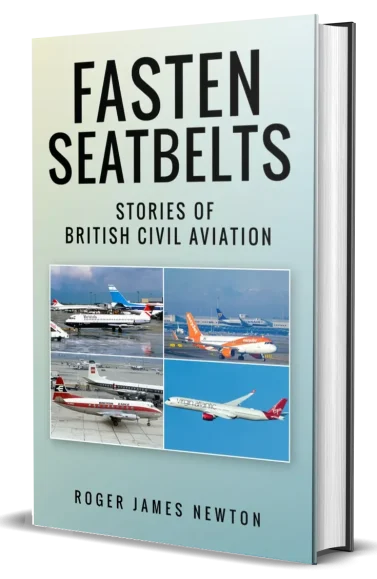
The reasons Britain once led global aviation are explored in depth in Fasten Seatbelts: Stories of British Civil Aviation by Roger James Newton. The book traces how Britain built this reputation through early leadership, engineering brilliance, and operational excellence, while also examining the challenges and decisions that followed. By combining historical narrative with personal insight, it explains not only what Britain achieved but also why those achievements mattered internationally.
Understanding why British aviation was once the envy of the world is more than an exercise in history. It reveals how leadership is earned through consistency, expertise, and long term vision. It also shows how quickly advantage can fade when conditions change, and choices become misaligned.
The legacy of Britain’s aviation greatness still resonates today. Every modern aircraft operating from British airports carries echoes of that era of innovation and ambition. Remembering why Britain once led the world in aviation helps preserve an important chapter of national achievement and offers lessons that remain relevant as aviation continues to evolve.
Grab your copies from Amazon: https://www.amazon.com/dp/1969644400.